

Same family, different length
“QS138 70H vs 90H” is one of the most common questions when planning an electric dirt bike build. Both are QSMOTOR mid-drive motors from the same 138 family, both commonly run at 72V, and the V3 versions of both use a 1:2.35 internal reduction to a chain sprocket. The difference is the magnet height (70mm vs 90mm), which makes the 90H physically longer, heavier and more powerful.
QS138 70H vs 90H side by side
| QS138 70H V3 | QS138 90H V3 | |
|---|---|---|
| Magnet height | 70mm | 90mm |
| Rated power (published) | 3000W | 4000W |
| Peak power (published) | Varies by listing | 13kW (QSMOTOR) |
| Internal gear ratio | 1:2.35 | 1:2.35 |
| Weight (published) | About 12.5kg | 14.5kg (QSMOTOR) |
| Rated voltage | 72V | 72V |
| Sealing | IP67 | IP67 |
Published figures for QS motors differ between QSMOTOR‘s own pages and resellers, and between versions (for example V2 and the geared V3). We’ll confirm the exact version and specifications in your quote.
QS138 70H vs 90H: how to choose
Frame size and space
The 90H is longer. In a smaller frame or pit bike, the 70H is often the only one that fits cleanly. In 250 and 450-class frames, there’s usually room for either.
Rider weight and terrain
Heavier riders, steep hills, sand and mud all favour the 90H’s extra torque and continuous power. A light rider on hard-packed trails may never use it.
Weight and handling
The 70H keeps the bike lighter, which matters on a small frame or for younger and lighter riders.
Controller and battery
A bigger motor asks for more current. The controller and battery need to be sized together. A 90H on an undersized battery won’t perform any better than a 70H. See Fardriver controllers and conversion batteries.
Not enough? Look at the QS165
For bigger bikes and higher power, QSMOTOR’s QS165 family steps up again. See QS165 and QS138 vs QS165.
Our builds
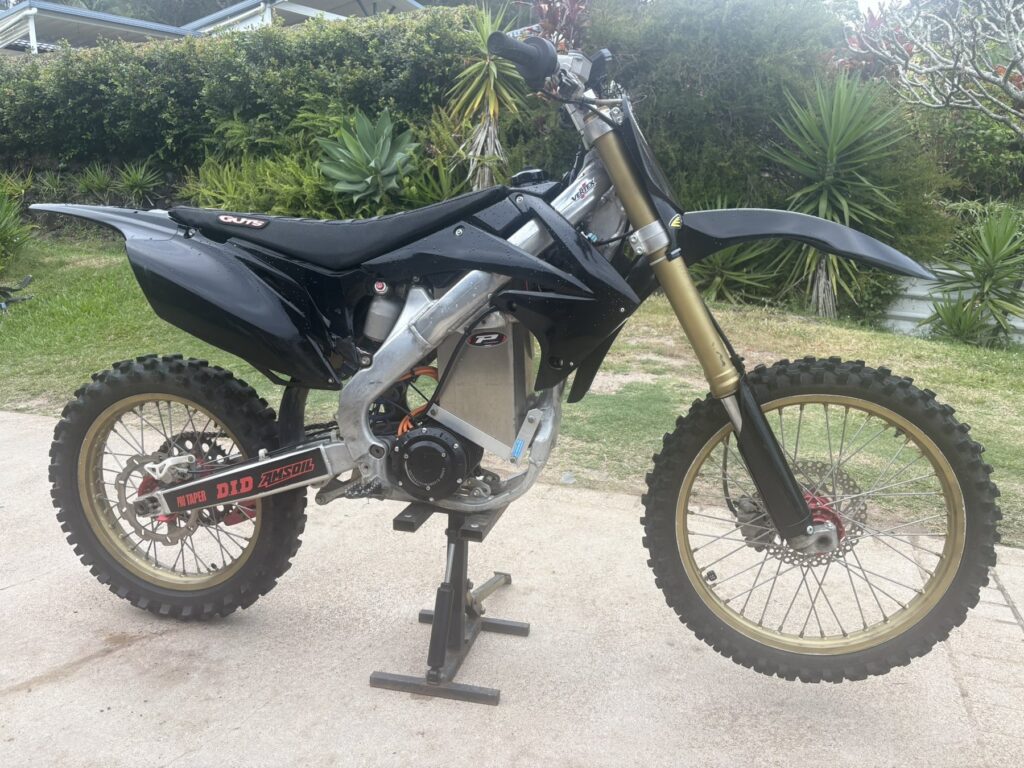
We can supply either motor, matched with a Fardriver controller and a custom Fast E battery, built to spec, and fit it to your donor frame. See the QS138 conversion kit, the QS138 70H and QS138 90H pages, and e-moto conversions.
A quick example
Picture two builds on the same 250-class frame. A light rider on hard-packed fire trails may find a 70H build lighter and more playful, with plenty of power. A heavier rider who rides steep, loose hills will feel the 90H’s extra torque every ride. The frame is the same, but the right motor is different. That’s why we ask about you and your riding, not just the bike.
What to send us
Your donor bike’s make, model and year, your weight, where you ride, and photos of the frame with the engine out if possible. We’ll recommend a motor and quote a matched controller and battery.
Already bought a motor? Tell us which one, and we can still match the controller, battery and mounting to it. We also check that the version (V2 or geared V3) suits your frame and gearing before we quote, because the sprocket output speed differs between them.
Frequently asked questions
Is the 90H always better than the 70H?
No. It’s more powerful but heavier and longer. The 70H often suits smaller frames and lighter riders better.
Can both run at 72V?
Yes. Both are listed with a 72V rating.
Will a 90H give more top speed?
Top speed depends mostly on voltage, gearing and controller settings. The 90H’s main advantage is torque and continuous power.
Do they use the same controller?
Many controllers can run either, but current limits and settings differ. We’ll set it up for your motor.
Start a quote with the chat button, bottom-right. Prefer email or phone? Head to our contact page.